Applying for a Disability Card: Key Guidelines
Discover the essential steps to apply for a disability card, understand eligibility requirements, and learn about the benefits it offers.
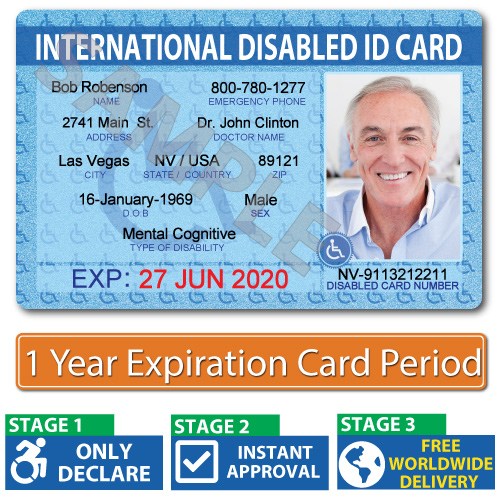
If you or a loved one is living with a disability, a disability card can provide important support and access to resources, including assistance with transportation, eligibility for certain programs, and other privileges. In this section, we will guide you through the key guidelines for applying for a disability card in the United States.
It’s important to note that the application process can vary depending on the state where you reside, but the requirements and eligibility criteria are generally consistent nationwide.

Key Takeaways
- A disability card provides important support and access to resources for individuals with disabilities.
- The application process can vary by state, but eligibility criteria are consistent nationwide.
- Understanding the eligibility requirements and gathering necessary documentation is crucial for a smooth application process.
- Completing and submitting the application correctly can help expedite the review process.
- Benefits of a disability card include access to certain privileges and services.
Understanding Disability Card Eligibility
Before you can apply for a disability card, it’s essential to understand the eligibility criteria and requirements. To be considered eligible for a disability card, you must have a qualifying disability that meets specific criteria. These criteria vary by state, but generally, individuals with physical or mental impairments that significantly limit one or more major life activities, such as walking or communicating, may be eligible.
Additionally, you may need to provide evidence of the disability, such as medical records or a letter from a healthcare provider. It’s important to note that not all disabilities may qualify for a disability card, and the application process may require extensive documentation.
If you believe you meet the eligibility requirements, you can proceed with the application process and take the necessary steps to obtain your disability card. However, if you have any doubts or questions, it’s always a good idea to seek advice from a disability rights organization or an attorney who specializes in disability law.
Gathering Necessary Documentation
Before you start your disability card application, make sure you have collected all the necessary documentation. Gathering the required documents in advance will ensure that your application is accurate and complete. Here is a checklist of the documentation you will need to submit:
Personal Information
- A copy of your birth certificate or passport for proof of identity
- Social Security number or proof of application for Social Security
- Proof of your legal status in the United States (if applicable)
Medical Information
- Medical records that document your disability (including diagnosis, treatment plans, and medications)
- A letter from your doctor that describes the severity of your disability and how it affects your daily life
- Any relevant medical test results or reports
Employment Information
- Proof of income, such as pay stubs or tax returns
- Work history and details about your current employment status (if applicable)
Once you have gathered all the necessary documentation, you can proceed to complete the disability card application. For more information on the application process, please see Section 4.
Completing the Disability Card Application
Now that you have all the necessary documentation, the next step is to complete the disability card application. It is crucial to fill out the application accurately to avoid any delays or rejection of the application.
When filling out the application, ensure that you provide all the required personal information, such as your full legal name, date of birth, and contact information, including your phone number and email address.
It’s also important to pay close attention to the sections that require information about your disability. Be as detailed as possible and provide any related documentation, such as medical records, that can support your application.
Make sure to review the application before submitting it to avoid any errors or omissions. Check if all the questions have been answered and all of the necessary documentation has been included.
For a smoother application experience, it’s important to read the instructions carefully and ask for help if you need it. Completing the application process accurately and timely will increase the chances of your application being approved.
Submitting Your Application
Once you have completed the disability card application, it’s time to submit it to the appropriate authority.
The submission process will vary depending on your state and the issuing agency. Some states allow you to submit the application online, while others require you to mail it or submit it in person.
Make sure to check the application instructions carefully to ensure that you provide all necessary documentation and information. Failure to do so may result in delays or even rejection of your application.
If you have any questions about the submission process, reach out to the issuing authority to clarify any doubts or concerns you may have.
Remember, the submission of your disability card application is an important step towards getting the necessary support and resources you need. Take the time to carefully review and complete your application, and follow all instructions provided to increase your chances of success.
Reviewing the Application Process
After submitting your disability card application, it goes through a review process to ensure that all requirements are met. The reviewing process typically takes a few weeks to a few months, depending on the state you reside in. Some states may have a specific timeframe within which the authorities must complete the review and notify you of their decision.
During the review process, the authorities may contact you or your healthcare provider to verify information or request additional documentation, which may delay the process further. If approved, you will receive your disability card in the mail, usually within a few weeks after your application is approved. If your application is denied, you may have the option to appeal the decision by submitting additional documentation.
It’s essential to remain patient throughout the review process and follow up if you haven’t received an update on your application’s status within the specified timeframe. If you have any questions or concerns during the application review process, you can contact the relevant authorities for clarification.
Understanding the Benefits of a Disability Card
Having a disability card can provide numerous benefits for individuals with disabilities. It serves as an official form of identification that can help in various situations. Here are some of the advantages of having a disability card:
- Access to certain privileges: A disability card can enable you to access certain privileges, such as parking in designated disability spots, access to accessible public transportation, and more.
- Priority service: Some businesses and organizations offer priority service for individuals with disabilities, and having a disability card can serve as proof of your eligibility for such services.
- Identification: A disability card serves as official identification, which can come in handy in many situations, such as opening a bank account or casting a vote.
- Discounts: Some businesses offer discounts or special pricing for individuals with disabilities, and having a disability card can help you access these offers.
By having a disability card, individuals with disabilities can gain access to a range of benefits and privileges that can make their lives easier and more convenient.
Conclusion
In conclusion, obtaining a disability card or disability ID card offers numerous benefits to those with disabilities in the United States. By following the guidelines and requirements, gathering the necessary documentation, and completing the application accurately, you can successfully apply for a disability identification card.
The disability card provides important access to resources and services that can improve the quality of life for those with disabilities. These benefits include access to accessible parking spaces, public transportation accommodations, and discounts on goods and services.
It’s important to remember that the application process may take some time, so it’s essential to be patient and follow up on the application’s status. Additionally, ensure that all information on the application is accurate and up-to-date, as incorrect information could delay the process and potentially lead to a rejected application.
If you have any questions or concerns about the disability card application process, don’t hesitate to reach out to the relevant authority or seek assistance from a professional. With the disability identification card, you can enjoy the benefits of improved accessibility and support in your daily life.